
Manufacturing / 6 min
Cermet Batch Consistency Starts Before Pressing
Suppose your first cermet sample passes the shop floor trial and purchasing places a repeat order. How will the next batch be checked against the insert that engineering approved? Start with the specification, then follow the production lot through pressing, sintering, finishing, and inspection.
Define the reference before comparing batches
The approved sample needs a written identity. Record its product code or drawing revision, material grade, relevant dimensions, edge details, and the acceptance criteria used in the trial. Without that reference, a later batch can appear similar while the buyer and supplier are comparing different requirements.
For each characteristic, agree on the measurement method and acceptance limit. Then identify which results belong to the sample lot and which belong to the repeat order. This gives “batch consistency” a practical meaning that both teams can check.
A turning insert, cermet rod or blank, and OEM component may need different checks. Their specifications and applications should determine the evidence requested.
Why the work before pressing matters
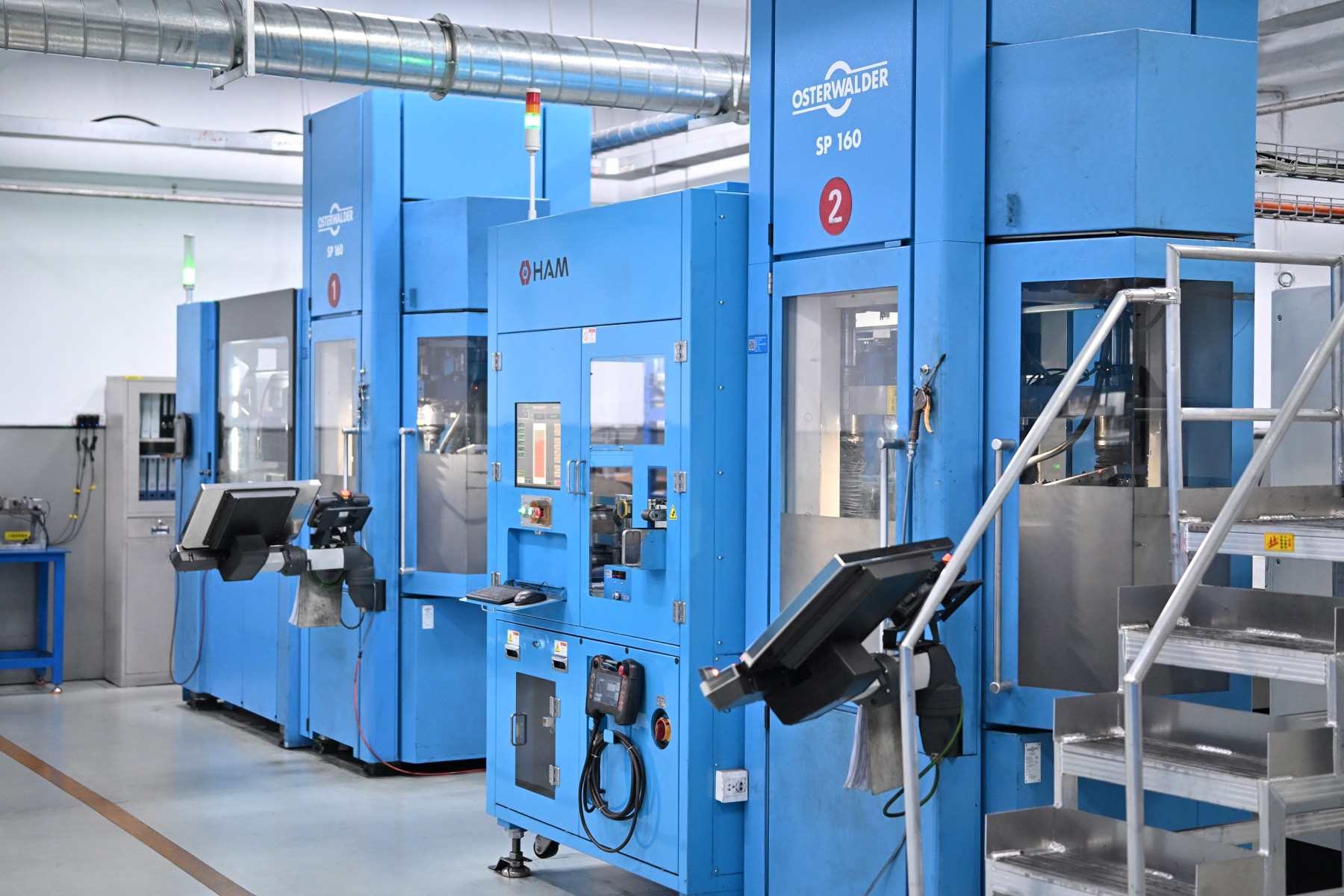
Pressing forms a compact from prepared material. The powder composition and condition, die fill, tooling, and pressing sequence can influence its density and defects. Later sintering can affect the material's microstructure and measured properties. These relationships are documented in a review of powder compaction and a study of Ti(C,N) cermets made by different sintering methods. The studies explain why a buyer should ask about the whole route; they do not report NEXEMET production results.
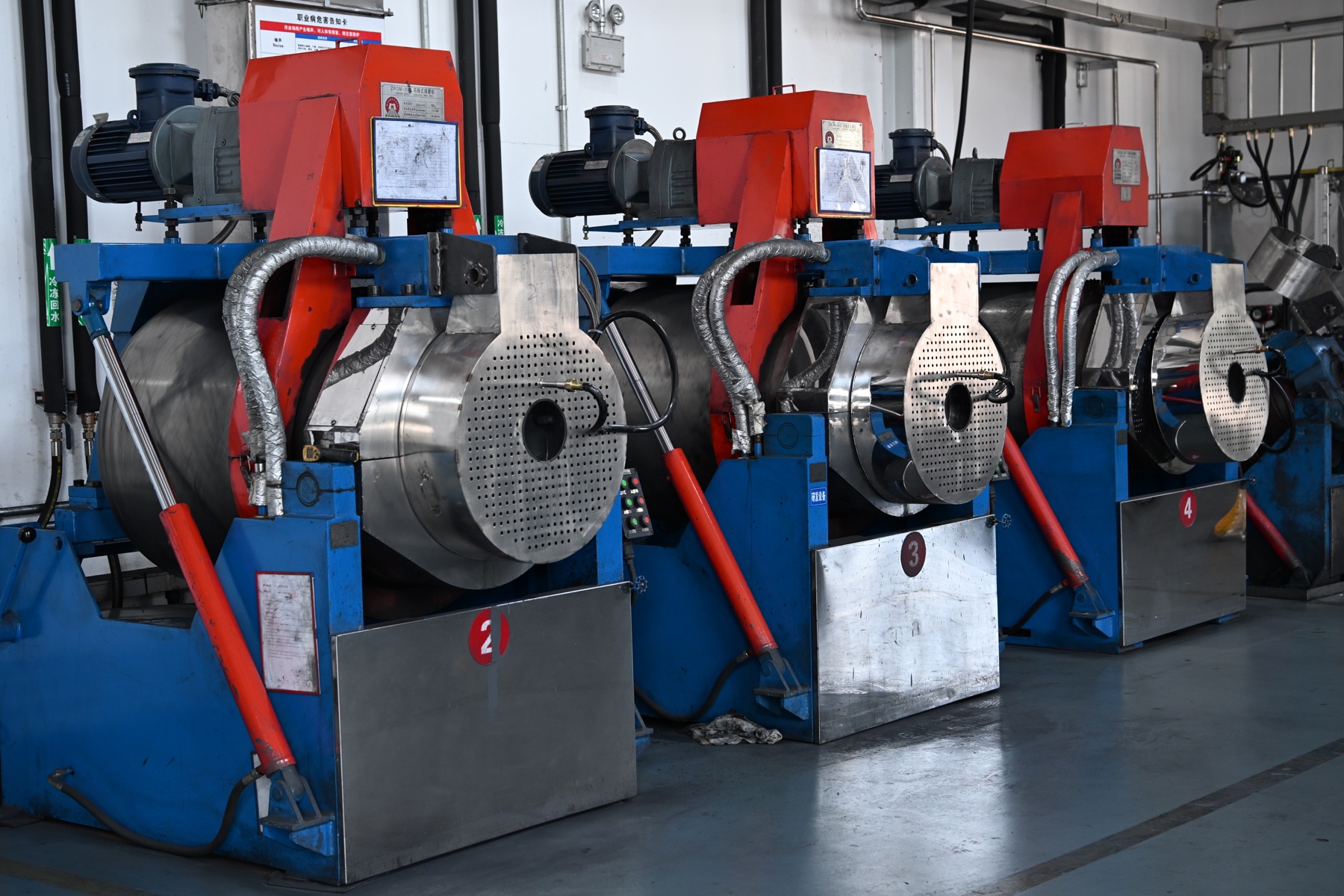
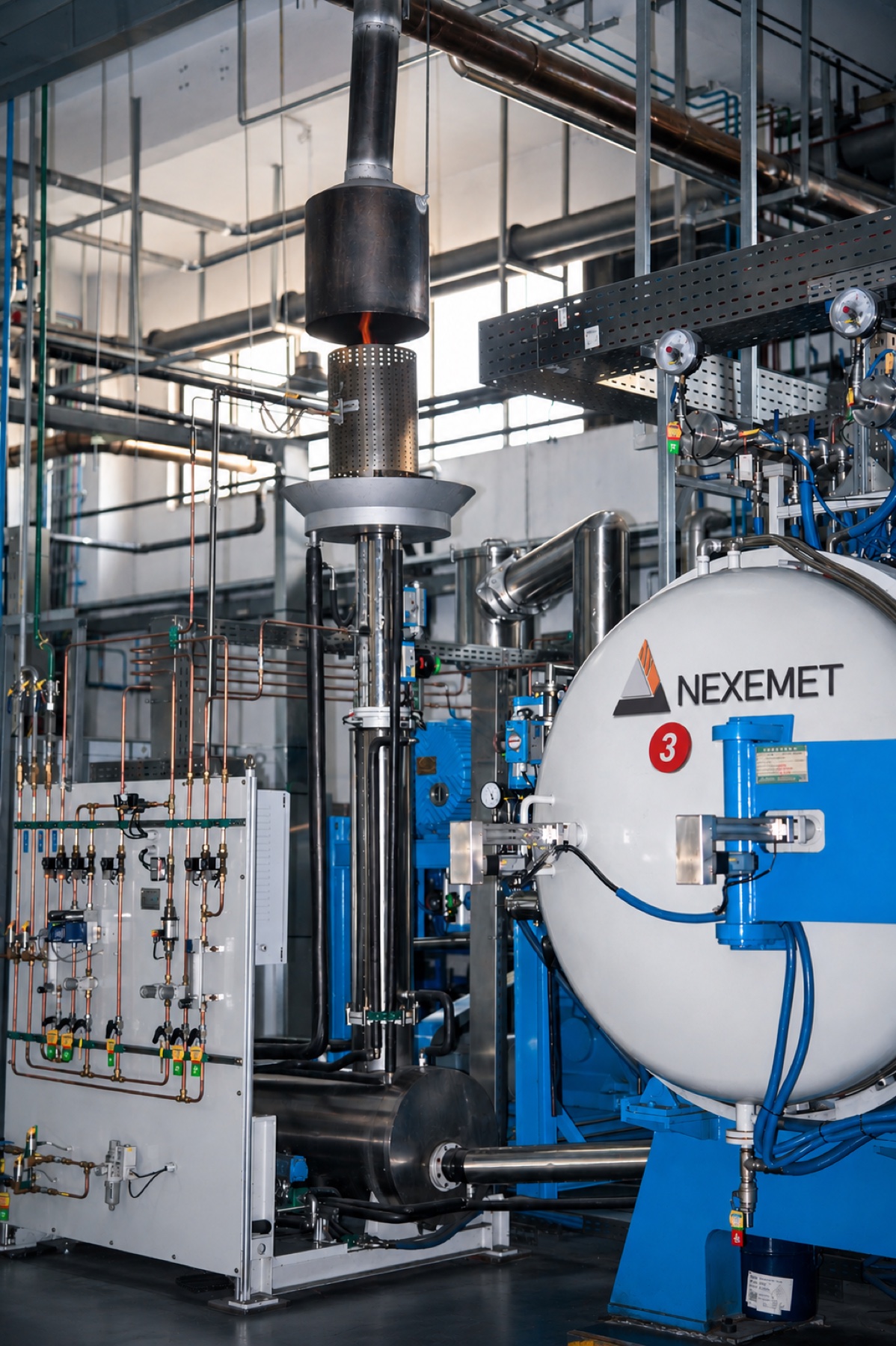
NEXEMET presents its production flow as raw material processing, automated pressing, self-developed sintering, precision grinding, cleaning, and final inspection. For a repeat order, the useful question at each stage is how the product specification and lot identity are carried forward.
Follow the batch through production
| Stage | Question to ask | Evidence to request, where available |
|---|---|---|
| Raw material processing | How is the production lot identified? Which incoming or preparation characteristics are checked? | A process-flow description and an example linking a material lot to a production order. |
| Pressing | How are the approved part, tooling, and press setup tied to the job? | A redacted job or in-process record showing the specification, revision, and inspection point. |
| Sintering | How is the load or production batch identified? How are deviations handled? | A description of controlled records and change handling; exact cycle parameters may remain proprietary. |
| Grinding and cleaning | Which dimensions or edge details are brought to specification? How are parts kept with the correct lot? | The drawing revision, inspection method, and lot identification used after finishing. |
| Final inspection | Which agreed characteristics are verified and linked to the finished batch? | An example inspection record tied to the product, drawing revision, and lot. |
Ask for records that match the product you are buying. A redacted example may show how the supplier connects an order, its specification, and its inspection result while protecting other customers' information.
Read each piece of evidence for what it proves
Factory photos show equipment and production stages. Drawings define the intended product. Inspection records show measurements for an identified sample or lot. Comparable results from multiple identified batches help the buyer assess whether selected characteristics remain within the agreed limits. Each answers a different question.
The buyer can ask about lot identification, checks, recorded results, and deviation handling without requesting a confidential formulation or furnace recipe.
Agree on the evidence before the repeat order
- Name the approved reference. Record the product code, drawing revision, grade, geometry, and application requirement.
- Define the characteristics that matter. Agree on measurement methods and acceptance limits.
- Identify the lot. Connect the sample, production order, inspection result, and reorder to the approved product definition.
- Ask what records are available. A redacted example can establish the level of detail that may be shared.
- Set a change path. Agree on how drawing changes and nonconforming results are reviewed.
The drawing, application, and quality agreement should set the actual checks. The first repeat order can then be compared with the approved reference using the same named characteristics and inspection method.
What to send NEXEMET
Send the product code or drawing, required dimensions and material grade, expected quantity, application, and any inspection or traceability requirements. NEXEMET can review the product scope and clarify which records are available for that program.
See the manufacturing overview for the complete production route, or send your details through the technical RFQ page.
Technical RFQ
Review a repeat-supply requirement
Send your approved drawing, product code, expected quantity, and the characteristics you need checked on each order.
Send a Technical RFQ